

How Sparkling Water Aids Digestion: What You Need to Know
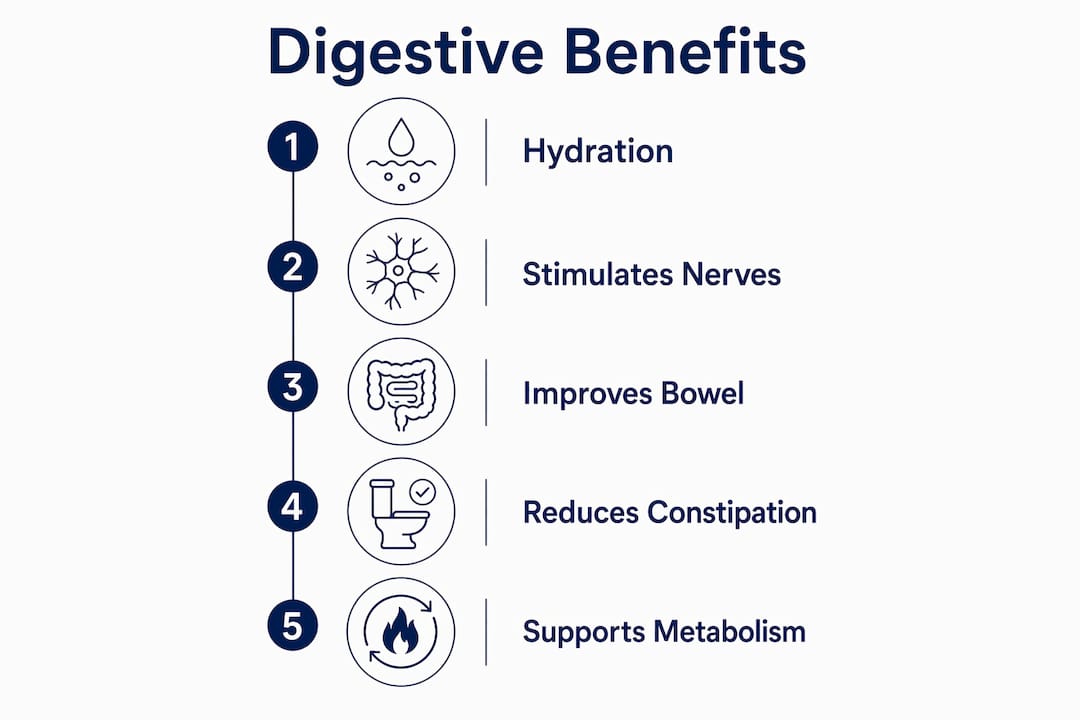
Sparkling water aids digestion by combining the hydration benefits of plain water with mild carbonation that stimulates digestive nerves and can relieve constipation. The American Heart Association confirms that sparkling water hydrates as effectively as still water, making it a legitimate tool for supporting your gut. Clinical research shows carbonated water can reduce snacking frequency, ease bowel irregularity, and promote a sense of fullness. The catch is that individual response varies significantly, and the same fizz that helps one person can worsen bloating or reflux in another. Understanding why that happens puts you in control.
How sparkling water aids digestion through hydration
Sparkling water is plain water infused with carbon dioxide under pressure. That definition matters because it sets the baseline: the digestive benefits start with hydration, not magic. The American Heart Association classifies sparkling water as a valid contributor to your total daily fluid intake, which means every glass counts toward the fluid your gut needs to function.
Hydration drives three core digestive processes:
- Waste removal: Water softens stool and keeps material moving through the colon. Without adequate fluid, constipation follows quickly.
- Nutrient absorption: The small intestine relies on water to dissolve and transport nutrients across the gut lining into the bloodstream.
- Bowel regularity: Consistent fluid intake regulates the rhythm of peristalsis, the wave-like muscle contractions that push food through your digestive tract.
Many people with digestive complaints are chronically underhydrated without realizing it. If plain water feels boring and you end up drinking less of it, sparkling water is a practical upgrade. The fizz increases palatability for most people, which means you actually drink more.
Pro Tip: If you struggle to hit your daily water target, try swapping one glass of still water for sparkling water at meals. The carbonation slows your drinking pace naturally, which also reduces the risk of swallowing excess air.

Hydration needs increase during illness, heat, or high physical activity. In those situations, sparkling water remains just as effective as still water for rehydration, provided it contains no added sugars or sodium. Plain is always the better choice for digestive purposes.
What does carbonation actually do to your digestive system?
Carbonation adds a layer of physiological effect beyond hydration alone. When CO2 enters your stomach, it causes mild gastric distension. That distension triggers nerve signals along the vagus nerve, which stimulates the swallowing reflex and promotes digestive motility. The result is a sensation of digestive movement that many people describe as relief after a heavy meal.
Research supports several specific effects:
- Constipation relief: Clinical studies show carbonated water can improve bowel movement frequency in people with chronic constipation, likely by stimulating gut motility through nerve activation.
- Gallbladder function: Some evidence suggests carbonated water may support gallbladder emptying, which aids fat digestion and reduces the risk of gallstone formation.
- Appetite regulation: A 12-week randomized trial with healthy Japanese adults found that daily carbonated water reduced snacking frequency and produced modest improvements in body weight and liver enzymes. Reduced snacking means fewer digestive demands throughout the day.
- Swallowing stimulation: The fizz activates sensory receptors in the throat and esophagus, which can ease the sensation of food stuck after swallowing.
The flip side is equally real. The Merck Manual explains that carbonated beverages contribute to aerophagia, the unconscious swallowing of air, which increases gas and bloating in susceptible individuals. Burping is the body’s release valve for that trapped gas, and while it provides temporary relief, it can become a cycle if you drink carbonated beverages too quickly or in large amounts.
Pro Tip: Drink sparkling water slowly and avoid using a straw. Straws increase the amount of air you swallow with each sip, which amplifies bloating regardless of what you are drinking.
The net effect of carbonation on digestion is positive for most people. The stimulating effect on digestive nerves is real, and the hydration benefit is equivalent to still water. The problems arise at the edges, in people with specific sensitivities or poor drinking habits.
Who should be cautious about drinking sparkling water?
Not everyone responds to carbonation the same way. People with irritable bowel syndrome (IBS), gastroesophageal reflux disease (GERD), or functional bloating often find that carbonation worsens symptoms rather than relieving them. The gastric distension that feels like relief to one person triggers discomfort or reflux in another.
Several factors increase your risk of a negative reaction:
- Drinking speed: Fast consumption forces more CO2 into the stomach at once, amplifying distension and gas production.
- Drinking method: Using a straw, gulping, or talking while drinking all increase air swallowing beyond what the carbonation itself contributes.
- Meal timing: Drinking large amounts of sparkling water immediately before a meal can create a false sense of fullness that disrupts normal eating patterns and digestion.
- Existing conditions: GERD sufferers should be particularly careful. Carbonation-induced stomach distension can relax the lower esophageal sphincter, allowing acid to travel upward and worsen reflux symptoms.
- Flavored varieties: Many commercial sparkling waters contain citric acid, which can irritate an already sensitive stomach lining and erode tooth enamel over time.
The Merck Manual recommends that people prone to gas and bloating reduce aerophagia by changing their drinking behavior before eliminating carbonated beverages entirely. That means slowing down, sitting upright while drinking, and avoiding carbonated drinks during high-stress moments when you tend to breathe and swallow irregularly.
If you have IBS or GERD, the practical approach is a structured trial. Start with a small amount of plain sparkling water, track your symptoms for a week, and adjust quantity and timing based on what you observe. Many people with mild sensitivity tolerate sparkling water well when they drink it slowly and in moderation.
How does sparkling water compare to other drinks for digestion?
The choice of beverage matters as much as the carbonation itself. Here is how sparkling water stacks up against the most common alternatives:
| Drink | Digestive effect | Key concern |
|---|---|---|
| Plain sparkling water | Hydrates equally to still water; mild nerve stimulation; may relieve constipation | Bloating or reflux in sensitive individuals |
| Still water | Optimal hydration; no gas production | Less palatable for some, leading to lower intake |
| Sugary sodas | Temporary fullness; high sugar load disrupts gut microbiome | Excess sugar, artificial additives, and calories |
| Flavored sparkling water | Similar hydration to plain; added variety | Citric acid and sweeteners may irritate sensitive stomachs |
| Herbal teas | Hydration plus specific digestive compounds (ginger, peppermint) | Caffeine in some varieties; minimal carbonation benefit |
The American Heart Association notes that additives in flavored sparkling water can affect hydration and digestion outcomes, which is why plain varieties are the safer starting point. Sugary sodas are categorically worse for digestion. The sugar load feeds harmful gut bacteria, contributes to inflammation, and adds empty calories that displace nutritious food.
A ScienceDaily analysis of carbonated water research confirms that metabolic effects of sparkling water are minimal on their own. Sparkling water is not a weight loss tool or a digestive cure. Its value lies in replacing worse options, primarily sugary sodas and sweetened juices, and in making hydration more consistent for people who find plain water unappealing.
The 12-week Japanese trial referenced earlier found that participants who replaced other beverages with daily carbonated water reduced their snacking frequency measurably. Fewer snacks means fewer digestive events per day, which gives your gut more recovery time between meals.
Practical tips for using sparkling water to support digestion
Getting the most from sparkling water for digestion comes down to a few consistent habits. The fizz is a tool, and like any tool, technique determines results.
- Start plain. Before trying flavored sparkling waters, establish your baseline tolerance with plain carbonated water. Additives like citric acid, natural flavors, and sweeteners introduce variables that make it harder to identify what is causing any symptoms you experience.
- Drink slowly and sit upright. Slow sipping reduces the volume of CO2 entering your stomach at once and minimizes air swallowing. Sitting upright during and after drinking helps gas move upward and out rather than downward into the intestines.
- Use it as a soda substitute. Replacing one sugary soda per day with plain sparkling water cuts sugar intake and improves the gut environment without sacrificing the sensory satisfaction of a fizzy drink.
- Time it strategically. Drinking sparkling water 20 to 30 minutes before a meal can promote a mild sense of fullness that reduces overeating. Avoid large amounts immediately before or during meals if you are prone to bloating.
- Track your response. Digestive symptoms are highly individual. Keep a simple log for two weeks noting when you drink sparkling water, how much, and any symptoms that follow. Patterns become obvious quickly.
Pro Tip: If you make sparkling water at home with a device like the Getfizzit FIZZIT™ Spärklï, you control the carbonation level. Starting with lighter fizz and gradually increasing it lets you find the exact level your digestive system handles best.
The sparkling water benefits for digestion are real but not automatic. Consistent, mindful consumption produces better outcomes than drinking large amounts sporadically.
Key takeaways
Sparkling water aids digestion primarily through hydration, with carbonation adding a mild stimulating effect on digestive nerves that can relieve constipation and reduce snacking frequency.
| Point | Details |
|---|---|
| Hydration is the core benefit | Sparkling water hydrates as effectively as still water, supporting waste removal, nutrient absorption, and bowel regularity. |
| Carbonation stimulates digestion | CO2 triggers digestive nerve signals that can relieve constipation and promote gut motility in most people. |
| Individual tolerance varies | People with IBS, GERD, or functional bloating may experience worsened symptoms and should trial sparkling water carefully. |
| Plain beats flavored | Additives like citric acid and sweeteners in flavored varieties can irritate sensitive stomachs and undermine digestive benefits. |
| Behavior shapes outcomes | Drinking speed, posture, and timing affect how much gas and bloating you experience from carbonated water. |
The fizz factor is real, but it is not the whole story
I have spent years watching people overcomplicate their approach to digestive health. Sparkling water sits in an interesting middle ground. It genuinely helps a large portion of people, particularly those who are chronically underhydrated or who need a compelling reason to ditch sugary sodas. The hydration benefit alone justifies the switch for most.
What I find underappreciated is how much drinking behavior shapes the outcome. Two people can drink the same amount of the same sparkling water and have completely opposite experiences, one feels lighter and more regular, the other feels bloated and uncomfortable. The difference is almost never the water itself. It is how fast they drink, whether they use a straw, and whether they already have a tendency to swallow air when anxious or rushed.
The metabolic research is worth keeping in perspective. ScienceDaily’s analysis of carbonated water confirms that sparkling water alone does not meaningfully shift metabolism or produce significant weight loss. Anyone selling sparkling water as a digestive cure or weight management solution is overstating the evidence. The honest case is simpler and more durable: it is a better hydration option than most alternatives, it has a mild stimulating effect on digestion, and it makes healthy drinking habits easier to maintain.
If you have a sensitive gut, do not give up on sparkling water after one bad experience. Adjust the amount, slow down your drinking, and give your system a week to adapt. Most people find a level that works. And if plain sparkling water still causes problems, that is useful information too. It tells you that your digestive sensitivity runs deeper than carbonation and probably warrants a closer look at your overall gut health.
— Henry
Make your own sparkling water at home with Getfizzit
If sparkling water is going to be a regular part of your digestion routine, making it at home is the smarter move. Store-bought sparkling water adds up fast in cost and plastic waste, and you have no control over carbonation level or additives.
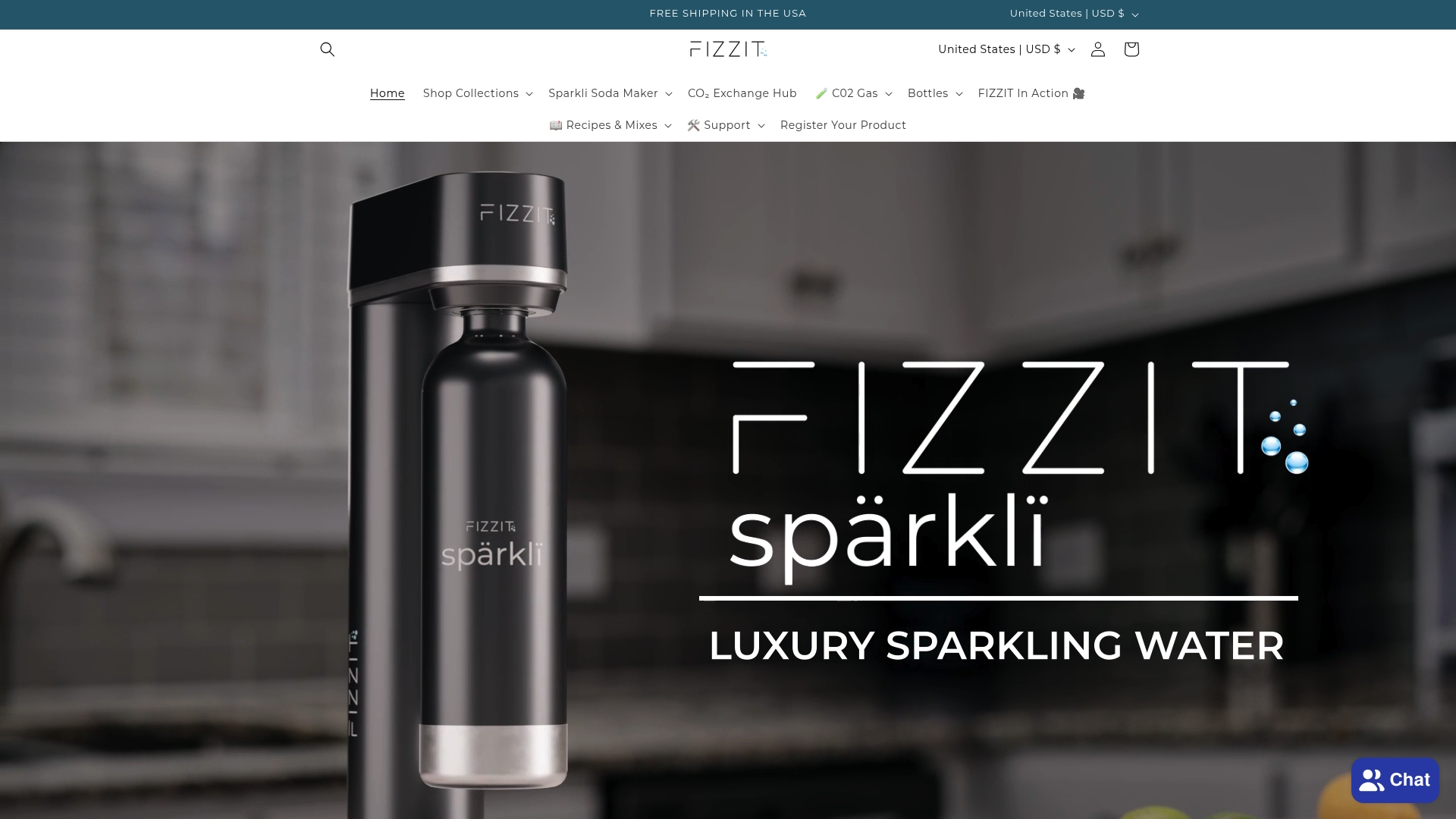
The FIZZIT™ Spärklï Carbonated Water Soda Maker lets you carbonate plain water at home using a durable stainless steel bottle, with no artificial additives and no single-use plastic. You control the fizz intensity, which matters when you are dialing in the carbonation level your digestive system tolerates best. Users consistently highlight the intense, consistent fizz as a standout feature. For anyone using sparkling water as a daily digestive tool, Getfizzit makes the habit sustainable, affordable, and genuinely better for the environment.
FAQ
Does sparkling water help with constipation?
Yes. Clinical studies show carbonated water stimulates digestive nerve activity and improves bowel movement frequency in people with chronic constipation. Plain sparkling water without additives produces the most consistent results.
Can sparkling water cause bloating?
Sparkling water can cause bloating, particularly in people who drink it quickly or have IBS, GERD, or functional digestive sensitivity. The Merck Manual identifies aerophagia from carbonation as the primary mechanism. Drinking slowly and avoiding straws reduces this risk significantly.
Is sparkling water as hydrating as still water?
Yes. The American Heart Association confirms that sparkling water hydrates as well as regular water and counts equally toward your daily fluid intake. The carbonation does not reduce its hydrating effect.
Is flavored sparkling water good for digestion?
Plain sparkling water is preferable for digestive health. Flavored varieties often contain citric acid and sweeteners that can irritate a sensitive stomach lining and complicate your ability to identify symptom triggers.
How much sparkling water should I drink for digestive benefits?
There is no established clinical dose, but moderate daily consumption, roughly one to two glasses with or between meals, is a practical starting point. Track your symptoms and adjust based on your individual response, particularly if you have a history of reflux or IBS.