

Sparkle Drinks: Healthy, DIY, and Eco-Friendly Picks
Sparkle drinks are flavorful, fizzy beverages that deliver the carbonated refreshment of soda without the excessive sugar, artificial dyes, or single-use plastic waste. The market in 2026 centers on zero-sugar sparkling options with 0 to 10 calories per serving, a sharp contrast to the 150-plus calories in a standard cola. Brands like Sparkling Ice and Sprecher have pushed flavored sparkling water into mainstream grocery aisles, while home carbonation systems from Getfizzit offer a SodaStream alternative that skips sugary syrups entirely. Whether you want to buy a bottle, mix a mocktail, or carbonate your own water at home, this guide covers every angle.
1. Best sparkle drinks to buy in 2026
The commercial sparkling beverage market has moved well beyond plain seltzer. Today’s best options combine low calorie counts, natural flavors, and functional additions like vitamins and antioxidants.
Top picks worth trying:
- Sparkling Ice (zero sugar, 0 calories, vitamin B and antioxidant blend, widely available at Target and Walmart)
- Sprecher Sparkling Water (craft-style, lightly flavored, no artificial sweeteners)
- Waterloo Sparkling Water (100% natural flavor, non-GMO certified, no sweeteners of any kind)
- Spindrift Sparkling Water (made with real squeezed fruit, 3 to 17 calories depending on flavor)
- Moment Sparkling Drinks (functional adaptogen line with L-theanine and ashwagandha for daily wellness)
| Brand | Calories | Sugar | Key Feature |
|---|---|---|---|
| Sparkling Ice | 0 | 0g | Vitamins B and antioxidants |
| Spindrift | 3–17 | 1–4g | Real squeezed fruit juice |
| Waterloo | 0 | 0g | 100% natural flavor, non-GMO |
| Moment | 10 | 0g | Adaptogenic botanicals |
Not every product labeled “sparkling” is actually healthy. Some sparkling juices carry significant added sugars that rival traditional sodas, which makes label reading non-negotiable.
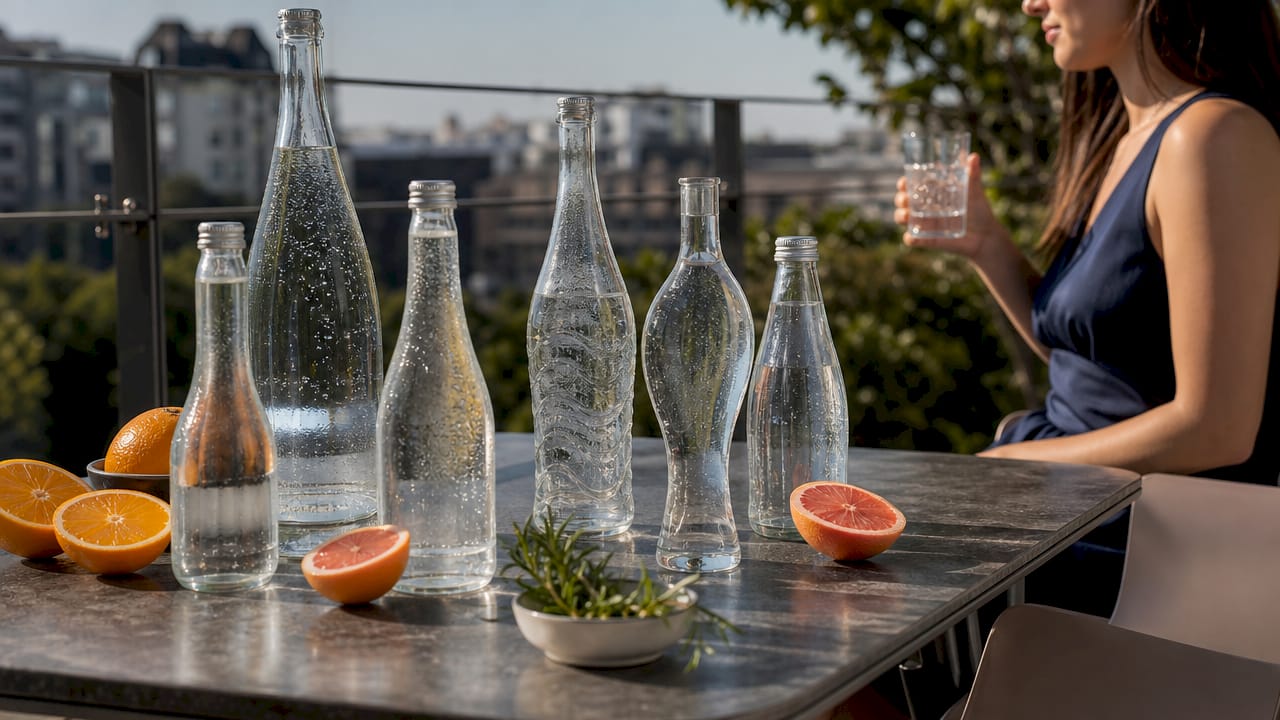
Pro Tip: Scan the nutrition label for “added sugars” as a separate line item. A product can list “0g sugar” while still containing sugar alcohols or artificial sweeteners that affect digestion and appetite.
2. DIY sparkle drink recipes you can make in under 5 minutes
Making your own sparkling beverages at home costs a fraction of store prices and gives you full control over ingredients. Luxury-style mocktails like the Pitaya Fizz prove that a stunning, restaurant-quality drink takes less than five minutes with the right ingredients.
How to make a Pitaya Fizz:
- Add 2 tablespoons of guava nectar to a tall glass filled with ice.
- Pour in 2 ounces of dragon fruit (pitaya) juice.
- Add 3 thin cucumber slices and 4 fresh mint leaves.
- Top slowly with 6 ounces of plain sparkling water.
- Garnish with a cucumber ribbon and a sprig of mint.
How to make a Rainbow Fruit Sparkler:
- Layer 1 ounce each of cranberry, orange, and pineapple juice in a clear glass over ice.
- Pour lemon-lime sparkling water gently down the side of the glass to preserve the layers.
- Add a skewer of fresh berries and citrus slices across the rim.
This family-friendly recipe works for all ages and replaces sugary sodas at parties without anyone feeling like they are missing out. The visual layering effect makes it a natural conversation starter at gatherings.
Additional ingredients that work well in DIY fizzy drinks:
- Fresh herbs: mint, basil, rosemary, thyme
- Citrus: lemon, lime, blood orange, grapefruit
- Fruit nectars: guava, mango, passion fruit, peach
- Floral syrups: lavender, elderflower, hibiscus (use sparingly)
Pro Tip: Always pour carbonated water last and pour it slowly down the side of the glass. Pouring it directly over ice or juice causes rapid CO2 release and you lose half your fizz before the first sip.
Fresh garnishes like mint and cucumber do more than look good. They release aromatic oils into the drink that change how you perceive flavor, making a simple sparkling water taste far more complex. For more recipe inspiration, the sparkling mocktail recipes collection at Getfizzit covers seasonal and occasion-specific builds.
3. How to make a viral snow globe sparkle drink
The snow globe spritzer is one of the most shared sparkling drink formats on social media in 2026, and the science behind it is straightforward. Edible glitter suspends in liquid when the drink contains a syrup or nectar layer with enough density to slow the glitter’s descent. Without that density layer, glitter sinks immediately and the effect lasts seconds.
To build one, pour a tablespoon of fruit nectar or simple syrup into the bottom of a clear glass. Add ice, then your juice or flavored base. Top with sparkling water and drop in a pinch of food-grade edible glitter just before serving. The glitter swirls through the layers for several minutes, creating the globe effect. This technique works especially well with the Pitaya Fizz base or any drink that uses a nectar layer.
4. Functional sparkling drinks with botanicals and adaptogens
Functional sparkling beverages represent the fastest-growing segment of the non-alcoholic sparkling drinks category. These are not just flavored waters. Adaptogenic ingredients like L-theanine, ashwagandha, and ginseng are now formulated directly into carbonated drinks designed for daily wellness routines.
L-theanine, an amino acid found in green tea, promotes calm focus without sedation. Ashwagandha is an adaptogen studied for its role in reducing cortisol levels. Ginseng supports energy and cognitive performance. When these ingredients appear in a sparkling format, absorption is fast and the experience is more enjoyable than capsules or powders.
Brands like Moment offer variety packs with different adaptogen profiles so you can match the drink to the time of day. A morning can can feature ginseng and B vitamins, while an evening option leans on L-theanine and magnesium. For a deeper look at how botanical ingredients work in beverages, the research on plant-based functional compounds is expanding quickly.
“Incorporating a functional sparkling drink into your daily routine is one of the lowest-friction wellness habits you can build. It replaces a behavior you already have (reaching for a drink) with one that actively supports your health goals.” — Moment Sparkling Drinks
The health benefits of sparkling water extend beyond hydration when functional ingredients are added thoughtfully. The key is choosing products where the adaptogen dosage is clinically meaningful, not just a marketing trace amount.
5. Eco-friendly sparkling drink options and SodaStream alternatives
Single-use plastic bottles are the largest environmental cost of the commercial sparkling beverage industry. A household that drinks two liters of sparkling water daily generates over 700 plastic bottles per year if buying pre-packaged. Reusable carbonation systems eliminate that waste almost entirely.
Reusable soda makers with stainless steel bottles like those from Getfizzit carbonate plain tap water on demand, with no syrups, no plastic bottles, and no recurring subscription. The stainless steel bottle design is a meaningful upgrade over plastic carbonation bottles because it does not absorb odors, does not degrade with repeated use, and maintains carbonation pressure more consistently.
| Option | Plastic Waste | Upfront Cost | Ongoing Cost |
|---|---|---|---|
| Store-bought sparkling water | High (700+ bottles/year) | Low | High |
| SodaStream with plastic bottle | Medium | Medium | Medium (CO2 refills) |
| Getfizzit stainless steel maker | Near zero | Medium | Low (CO2 refills only) |
| Glass bottle soda maker | Near zero | Medium-High | Low |
CO2 canisters used in home carbonation systems are refillable and increasingly sourced from captured industrial emissions rather than new extraction. That makes the carbon footprint of home carbonation significantly lower than manufacturing, shipping, and chilling pre-packaged sparkling beverages.
Pro Tip: When comparing soda makers, check whether the carbonation bottle is stainless steel or plastic. Plastic bottles typically need replacement every 12 to 18 months. A stainless steel carbonation bottle lasts years and does not leach chemicals into your drink under pressure.
6. Flavored sparkling water vs. soda: what actually changes
The core difference between flavored sparkling water and soda is not just sugar content. It is the entire ingredient philosophy. Soda is built around sweetness as the primary flavor driver, with carbonation as texture. Flavored sparkling water inverts that. Carbonation is the experience, and flavor is a light accent.
This shift matters for health because it changes how your palate calibrates sweetness over time. Regular soda drinkers who switch to flavored sparkling water typically report that soda tastes overwhelmingly sweet within four to six weeks. The transition is easier when you start with strongly flavored sparkling waters like grapefruit or black cherry rather than plain seltzer.
Sparkling Ice sits in an interesting middle ground. It uses sucralose as a sweetener, which delivers a soda-like sweetness at zero calories. That works well as a transition drink but is not the same as an unsweetened sparkling water. Spindrift uses real fruit juice instead, which adds a small amount of natural sugar but no artificial sweeteners. For a citrus-forward option with fresh herb complexity, the Grapefruit Rosemary Sparkler from Getfizzit shows how far a sparkling drink can go with just natural ingredients.
Key takeaways
The best sparkle drinks combine low or zero sugar, natural flavors, and either functional botanicals or eco-friendly preparation methods to deliver a genuinely better alternative to soda.
| Point | Details |
|---|---|
| Label reading matters | Some “sparkling” products contain added sugars that rival sodas. Always check the nutrition panel. |
| DIY beats store-bought on cost and control | A Pitaya Fizz or Rainbow Fruit Sparkler takes under 5 minutes and uses no artificial additives. |
| Functional drinks add real wellness value | Adaptogens like L-theanine and ashwagandha in sparkling formats support mood and focus when dosed correctly. |
| Reusable carbonation cuts plastic waste sharply | Switching to a stainless steel soda maker eliminates hundreds of plastic bottles per year. |
| Garnishes transform the experience | Fresh mint, cucumber, and citrus change flavor perception through aroma, not just appearance. |
Why I think most people are approaching sparkle drinks backwards
Most people start their sparkling drink journey by looking for a soda replacement that tastes exactly like soda. That is the wrong frame. I spent years testing carbonated beverages and the ones that stuck in my rotation were never the ones trying to mimic Coca-Cola. They were the ones that offered something soda never could: complexity, freshness, and a drink that actually made me feel good afterward.
The Pitaya Fizz changed how I think about home drinks entirely. It looks like something from a cocktail bar, costs about sixty cents to make, and takes four minutes. Once you realize that a soda maker and a bag of fresh fruit can produce that result, buying a twelve-pack of flavored seltzer starts to feel like a step down.
On the sustainability side, I have seen too many people buy a soda maker and then continue buying CO2 canisters in single-use cartridges. The environmental math only works if you use a refillable CO2 cylinder and a durable bottle. Getfizzit’s stainless steel approach is the right call there. Plastic carbonation bottles develop micro-scratches that harbor bacteria and lose pressure integrity over time. Stainless steel does neither.
My honest recommendation: start with two or three commercial sparkling drinks to calibrate your flavor preferences, then invest in a home carbonation setup and start experimenting with fresh ingredients. The Lavender Lemonade Sparkler is a good first recipe if you want something that feels special without any complexity.
— Henry
Make your own sparkle drinks with Getfizzit
If you are ready to move beyond store-bought sparkling beverages, Getfizzit makes it straightforward. The FIZZIT Spärklï soda maker carbonates plain water in seconds using a stainless steel bottle that is built to last. No plastic waste, no sugary syrups, and no subscription required.
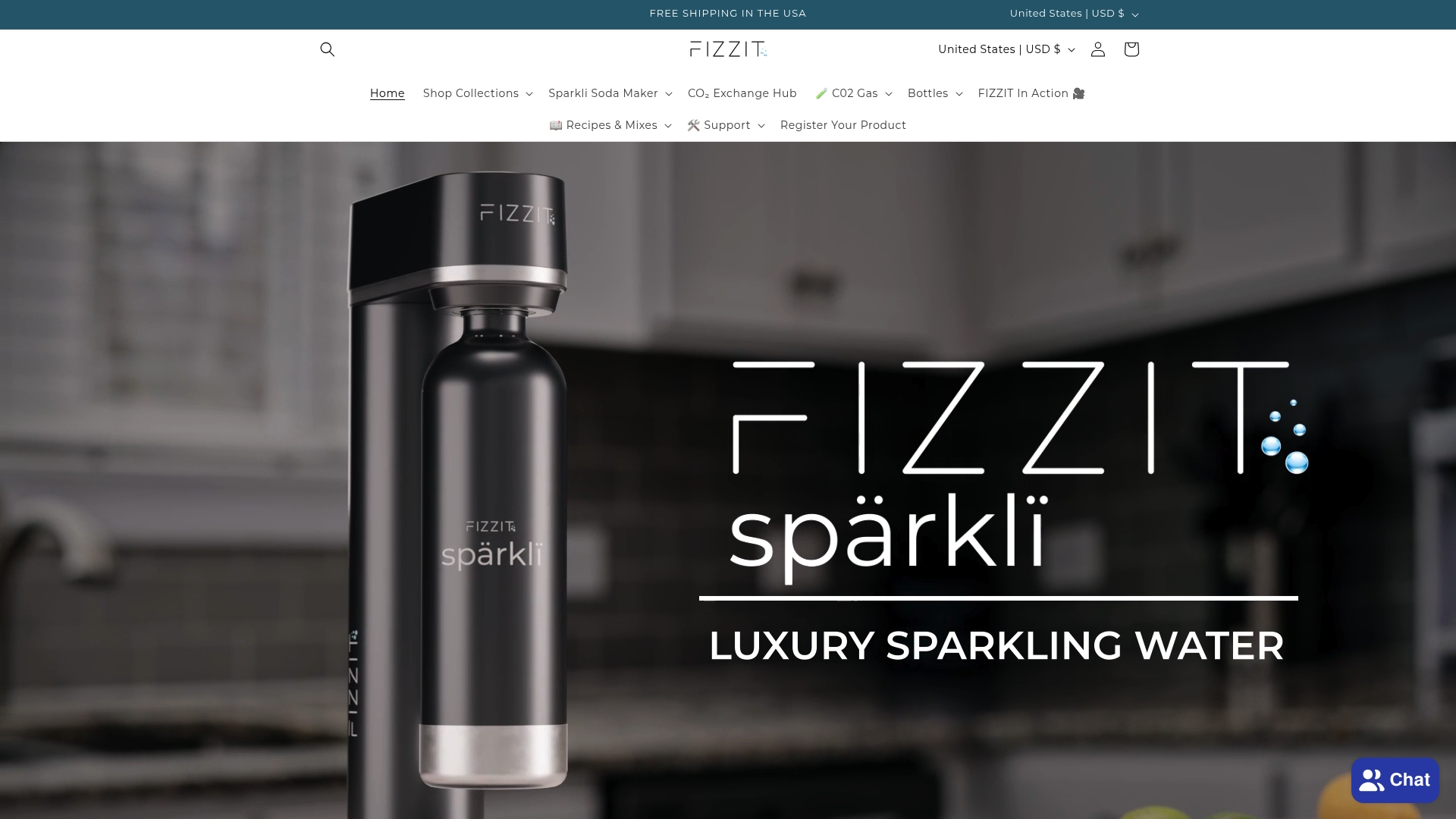
The FIZZIT Spärklï soda maker is compatible with standard CO2 cylinders and delivers intense, consistent fizz that holds up in mocktails and flavored drinks alike. For health-conscious consumers who want full control over what goes into their glass, it is the most practical SodaStream alternative available in 2026. Visit Getfizzit to see the full range of soda makers and accessories.
FAQ
What are sparkle drinks?
Sparkle drinks are carbonated beverages made with sparkling water as a base, often flavored with fruit juice, herbs, or functional ingredients. They serve as healthier, lower-sugar alternatives to traditional sodas.
How do you make sparkle drinks at home?
Combine fresh fruit juice or nectar, herbs, and ice in a glass, then top with sparkling water poured slowly down the side. Recipes like the Pitaya Fizz take under five minutes and require no special equipment beyond a glass and a source of carbonated water.
Are sparkling drinks healthier than soda?
Most flavored sparkling waters contain 0 to 17 calories and no added sugars, compared to 150-plus calories in a standard cola. The healthiest options use natural flavors and no artificial sweeteners.
What is the most eco-friendly way to drink sparkling beverages?
Using a reusable soda maker with a stainless steel bottle and a refillable CO2 cylinder eliminates hundreds of single-use plastic bottles per year. Getfizzit’s stainless steel system is one of the most durable options currently available.
Do functional sparkling drinks actually work?
Functional sparkling drinks with clinically dosed adaptogens like L-theanine and ashwagandha do support mood and focus when consumed regularly. The key is checking that the product lists actual milligram amounts rather than a vague “proprietary blend.”