

Types of Healthy Sparkling Drinks: Your 2026 Guide
Healthy sparkling drinks are carbonated beverages with minimal added sugars, low sodium, and beneficial ingredients that deliver flavorful hydration without the downsides of traditional soda. The types of healthy sparkling drinks available today range from plain sparkling mineral water to functional prebiotic sodas packed with gut-supporting fiber. Brands like LaCroix, Spindrift, and ALTR Bliss have expanded what “fizzy” can mean for your health. The American Heart Association confirms that sparkling water hydrates as effectively as still water when kept free of excessive added ingredients. That single fact changes the entire calculus for anyone trying to cut sugar without giving up the satisfying fizz.
1. What counts as a healthy sparkling drink?
The term “healthy sparkling drink” is not an industry standard. The recognized categories are sparkling water, sparkling mineral water, seltzer, club soda, and tonic water, each with distinct compositions. Understanding which category a bottle belongs to tells you more about its health profile than any front-label claim.
Different fizzy water types have distinctive qualities that affect flavor, mineral content, and best uses. Sparkling mineral water, like Perrier or San Pellegrino, gets its carbonation naturally from the source and carries trace minerals. Seltzer is plain water carbonated artificially with no added minerals. Club soda is carbonated water with added minerals like potassium bicarbonate, giving it a slightly salty edge that works well in cocktails.

Tonic water is the outlier. It contains quinine and added sugar, making it closer to a soft drink than a health beverage. A standard serving of tonic water carries roughly the same sugar load as many sodas, so it belongs in the “occasional mixer” column rather than the daily hydration column.
Pro Tip: Check the ingredient list before the nutrition panel. If you see “quinine” or “high fructose corn syrup,” put it back on the shelf.
2. Plain sparkling water and mineral water
Plain sparkling water is the cleanest entry point into healthy carbonated beverages. Zero sugar, zero calories, and zero sodium in most commercial versions make it the default choice for anyone replacing soda. The healthfulness of sparkling water depends more on added ingredients than on carbonation itself, which means the bubbles are never the problem.
Sparkling mineral water adds a layer of nutritional nuance. Natural minerals like calcium, magnesium, and bicarbonate contribute to flavor complexity and can support bone and digestive health in small amounts. San Pellegrino and Gerolsteiner are well-known examples with measurable mineral content per serving.
One caution worth noting: sodium content varies widely, reaching up to 1,000 mg per serving in some mineral waters. For anyone monitoring blood pressure, that number matters as much as the sugar count. Always check the nutrition label on mineral water, not just the marketing copy.
3. Flavored sparkling water
Flavored sparkling water sits between plain seltzer and soda on the taste spectrum, and it is one of the fastest-growing segments in the non-sugary fizzy drinks category. LaCroix uses natural flavors with zero sugar and zero calories. Spindrift goes further by adding real squeezed fruit juice, which delivers authentic flavor at the cost of a few grams of natural sugar per can.
The distinction between “natural flavors” and “real juice” matters for two reasons. First, real juice adds trace vitamins and antioxidants. Second, it also adds a small amount of naturally occurring sugar, typically 2 to 4 grams per can. That is still dramatically lower than a standard soda, but it is worth knowing if you are tracking carbohydrates closely.
Flavored sparkling water is also the most flexible base for homemade mocktails. A citrus-flavored seltzer with fresh mint and a squeeze of lime delivers a cocktail-adjacent experience with no alcohol and no added sugar. You can explore sparkling mocktail recipes to build a full repertoire of low-calorie sparkling beverages at home.
4. Sparkling herbal drinks and botanical waters
Sparkling herbal drinks are carbonated beverages infused with plant extracts, herbs, or botanicals like elderflower, hibiscus, ginger, or chamomile. They occupy a growing niche between flavored sparkling water and functional beverages. The best versions use real botanical extracts with no added sugar and deliver a genuinely complex flavor profile that plain seltzer cannot match.
Brands in this space include Nixie Sparkling Water, which uses organic fruit and herb infusions, and Waterloo Sparkling Water, which relies on natural flavors derived from real ingredients. These drinks appeal to anyone who finds plain sparkling water too bland but wants to avoid the sugar load of traditional sodas or juice-based drinks.
The health benefits of sparkling herbal drinks depend entirely on the botanical used. Ginger has documented anti-nausea and anti-inflammatory properties. Hibiscus has been studied for modest blood pressure benefits. Neither effect is dramatic from a single can, but choosing a drink that delivers even minor functional value over zero-value soda is a net positive.
5. Prebiotic sparkling sodas
Prebiotic sodas are one of the most interesting developments in the best sparkling drinks category right now. These are carbonated beverages formulated with prebiotic fiber, typically from chicory root or inulin, designed to feed beneficial gut bacteria. XOXO Prebiotic Soda delivers 6 grams of plant-based fiber per can with under 50 calories, making it one of the most nutritionally dense options in the category.
ALTR Bliss Strawberry Lemon is another strong example. It combines probiotics, prebiotics, and electrolytes with zero sugar and natural ingredients, targeting both gut health and hydration in a single can. That combination is genuinely useful for anyone who exercises regularly or deals with digestive irregularity.
The critical caveat is that not all prebiotic sodas are created equal. Some brands use the “gut health” label while still including 10 to 15 grams of added sugar per serving. The fiber content means nothing if the sugar content undermines your health goals. Read the full nutrition panel, not just the front-label claims.
Pro Tip: Look for prebiotic sodas with at least 3 grams of fiber and fewer than 5 grams of total sugar per serving. That ratio signals a product built around function, not just flavor.
6. Probiotic sparkling drinks and water kefir
Probiotic sparkling drinks go one step further than prebiotic sodas by including live beneficial bacteria cultures. Water kefir is the most common format: a fermented, naturally carbonated drink made from water, sugar, and kefir grains. The fermentation process consumes most of the sugar, leaving behind a lightly fizzy, tangy beverage rich in Lactobacillus and Bifidobacterium strains.
The health case for probiotic beverages is real but nuanced. Probiotic water kefir contains beneficial microbes that support gut microbiome diversity, but some commercial versions retain around 100 calories per serving from residual fermentation sugars. That is not a dealbreaker, but it is worth factoring into your daily intake if you are managing weight or blood sugar.
Kombucha is the other major player in this space. It is fermented black or green tea, naturally sparkling, and typically contains B vitamins, organic acids, and live cultures. Sugar content varies significantly by brand and flavor, ranging from 2 grams to over 12 grams per serving. GT’s Synergy and Health-Ade are two widely available brands with transparent labeling.
7. Electrolyte sparkling water
Electrolyte sparkling water combines the hydration benefits of plain sparkling water with added minerals like sodium, potassium, and magnesium. This category targets athletes, people recovering from illness, or anyone who sweats heavily and needs to replenish minerals quickly. Brands like Liquid I.V. Sparkling and Waterboy have entered this space with low-sugar, carbonated electrolyte formulas.
The practical advantage over still electrolyte drinks is purely sensory. Carbonation makes the drink feel more satisfying and refreshing, which encourages people to drink more. Better hydration compliance is a real benefit, especially for people who struggle to hit daily water intake targets.
The trade-off is sodium. Electrolyte drinks are intentionally higher in sodium than plain sparkling water, which is appropriate post-workout but not ideal as an all-day hydration choice. Use them situationally rather than as your primary sparkling water replacement.
8. Sparkling green tea and coffee drinks
Sparkling green tea and sparkling cold brew coffee represent a newer category of healthy carbonated beverages that deliver caffeine alongside antioxidants. Ito En and Harney and Sons both produce unsweetened sparkling green teas with zero sugar and meaningful levels of catechins and L-theanine. The carbonation makes the tea feel lighter and more refreshing than still versions.
Sparkling cold brew coffee from brands like Chameleon Organic and High Brew Coffee offers a similar proposition: caffeine and antioxidants in a fizzy, low-calorie format. The key is choosing unsweetened versions. Many sparkling coffee drinks on the market add 10 to 20 grams of sugar to offset bitterness, which negates most of the health advantage.
Choosing the right sparkling base for your lifestyle means thinking about what you want the drink to do beyond just tasting good. Sparkling green tea delivers calm focus. Sparkling cold brew delivers energy. Neither requires sugar to be enjoyable when the base ingredient quality is high.
9. How to compare sparkling drinks by nutrition
Comparing healthy sparkling drinks requires looking at three numbers: sugar grams, sodium milligrams, and calories per serving. Front-label claims like “zero sugar,” “natural,” or “functional” are marketing language. The nutrition panel is the only reliable source of truth.
| Drink type | Sugar (per serving) | Sodium (per serving) | Calories |
|---|---|---|---|
| Plain seltzer | 0g | 0mg | 0 |
| Sparkling mineral water | 0g | Up to 1,000mg | 0 |
| Flavored sparkling water (LaCroix) | 0g | 0mg | 0 |
| Spindrift (real juice) | 2–4g | 10mg | 15–20 |
| Prebiotic soda (XOXO) | Under 5g | Varies | Under 50 |
| Water kefir | 2–8g | Low | ~100 |
| Tonic water | 20–32g | 40–60mg | 80–130 |
Pro Tip: Divide the sodium number by 10 to get a quick sense of its percentage of the daily recommended limit of 2,300mg. A mineral water with 230mg sodium per serving is already 10% of your daily cap.
Choosing no-sugar sparkling drinks as healthy alternatives to sugary sodas directly reduces free sugar intake, which the NHS identifies as a key driver of dental and metabolic health issues. The swap does not require sacrifice. It requires information.
10. Dental health and moderation
Sparkling water is mildly acidic due to carbonic acid formed when CO2 dissolves in water. The acidity in sparkling water is generally not harmful to teeth, but drinking it exclusively as your only fluid throughout the day increases cumulative acid exposure. This is a real consideration, not a reason to avoid sparkling water entirely.
The practical fix is simple: alternate sparkling water with still water, drink sparkling water with meals rather than sipping it continuously, and wait 30 minutes after drinking acidic beverages before brushing your teeth. These habits protect enamel without requiring you to give up the fizz you enjoy.
Flavored sparkling waters with citric acid added for tartness are more acidic than plain seltzer. If dental health is a priority, plain sparkling water or mineral water is the safer daily choice, with flavored versions reserved for specific occasions.
Key takeaways
The healthiest sparkling drinks share one defining trait: low sugar, low sodium, and transparent ingredient lists that match their front-label claims.
| Point | Details |
|---|---|
| Know your category | Seltzer, mineral water, club soda, and tonic water are distinct products with different health profiles. |
| Read the nutrition panel | Sodium can reach 1,000mg per serving in mineral water; always check before buying. |
| Prebiotic sodas add function | Options like XOXO Prebiotic Soda deliver fiber and gut support under 50 calories per can. |
| Probiotic drinks need scrutiny | Water kefir and kombucha offer real benefits but may carry 100 calories or more per serving. |
| Dental health requires moderation | Alternate sparkling and still water daily to limit cumulative acid exposure on enamel. |
Why I stopped overthinking my sparkling water choices
I spent about two years rotating through every functional sparkling drink on the market, convinced the right combination of prebiotics, adaptogens, and electrolytes would make a meaningful difference. What I actually learned is that the category is half science and half marketing, and the line between the two is blurry on purpose.
The drinks that stuck in my rotation were not the most expensive or the most aggressively labeled. Plain sparkling mineral water from Gerolsteiner became my daily hydration base because the mineral content is real, the flavor is genuinely interesting, and the sodium is low enough to drink freely. Spindrift became my afternoon treat because real juice flavor is noticeably better than artificial flavoring, and 15 calories per can is not a number worth stressing over.
Where I think most people go wrong is treating every sparkling drink as either a health supplement or a guilty pleasure. Most of them are just water with bubbles and varying degrees of added value. The benefits of drinking sparkling water are real but modest. The real win is replacing a 40-gram-sugar soda with a zero-sugar sparkling alternative. That single swap, done consistently, matters far more than which probiotic strain is in your kombucha.
My honest advice: pick two or three types you genuinely enjoy, check their labels once, and stop auditing every sip. Hydration you actually do beats perfect hydration you plan to start next week.
— Henry
Make your own healthy sparkling drinks at home
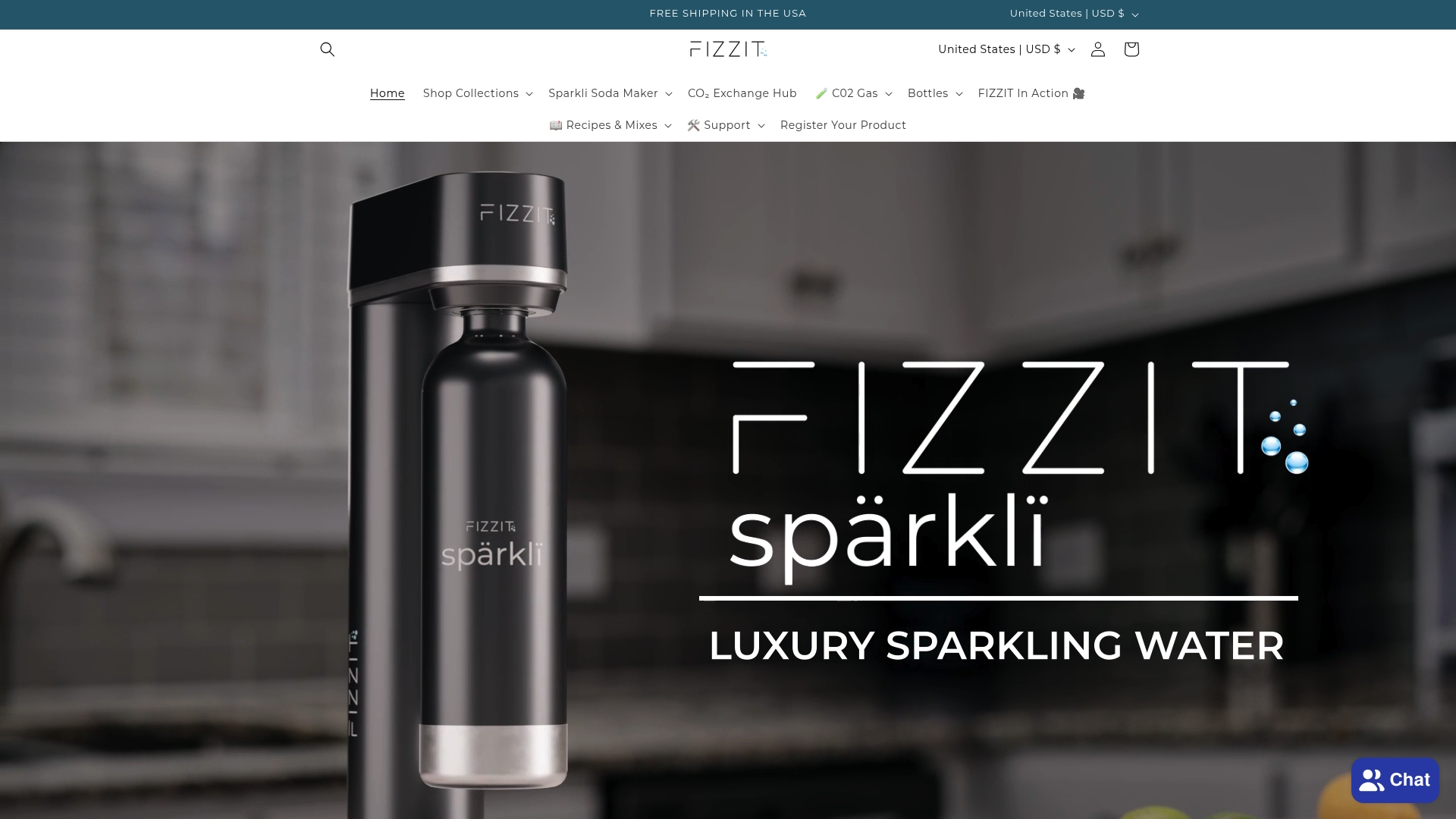
The cleanest sparkling drink is the one you make yourself, because you control every ingredient. Getfizzit’s Spärklï Soda Maker transforms still water into intensely carbonated sparkling water in seconds, with no artificial additives, no preservatives, and no single-use plastic. The included stainless steel bottle keeps your fizz fresh and your footprint small.
At home, you can add fresh fruit, herbs, or a splash of real juice to create flavored sparkling water that beats anything on a store shelf. No mystery ingredients, no excess sodium, no sugar you did not choose to add. Getfizzit’s full product range is built for people who want great carbonation without compromising on health or sustainability. Start sparkling on your own terms.
FAQ
What is the healthiest type of sparkling drink?
Plain sparkling water or sparkling mineral water with zero added sugar and low sodium is the healthiest daily choice. The American Heart Association confirms sparkling water hydrates as effectively as still water when free of excessive additives.
Is sparkling water bad for your teeth?
Sparkling water is mildly acidic but not significantly harmful to teeth when consumed in moderation. Alternating with still water and avoiding continuous sipping throughout the day reduces any cumulative acid exposure.
Do prebiotic sodas actually work?
Prebiotic sodas like XOXO Prebiotic Soda deliver measurable fiber (up to 6 grams per can) that feeds beneficial gut bacteria, but their effectiveness depends on consistent consumption and a balanced diet overall.
What is the difference between seltzer and club soda?
Seltzer is plain water carbonated with CO2 and contains no added minerals. Club soda has added minerals like potassium bicarbonate, giving it a slightly saltier taste that works better as a cocktail mixer.
How much sodium is too much in sparkling water?
Some sparkling mineral waters contain up to 1,000mg of sodium per serving, which is nearly half the daily recommended limit of 2,300mg. Choose options with under 100mg per serving for unrestricted daily hydration.