

Types of Sparkling Drink Bases: Your DIY Guide
Types of sparkling drink bases are the various forms of carbonated water differentiated by mineral content, added compounds, and carbonation level. Seltzer, club soda, sparkling mineral water, and tonic water each produce a distinct flavor and texture in your glass. Choosing the wrong base can flatten a cocktail, overpower a delicate fruit concentrate, or add unwanted sugar to a health-conscious recipe. This guide breaks down every major carbonated beverage base so you can match the right fizz to the right drink, every time.
1. Seltzer water: the neutral canvas for homemade drinks
Seltzer is plain carbonated water with no added minerals, no sodium, and no flavor of its own. That mineral-free profile makes it the most versatile of all sparkling drink options for home use. When you want your fruit juice, herbal syrup, or citrus concentrate to be the star, seltzer stays out of the way.
Because seltzer carries no competing flavors, it preserves delicate notes that club soda or mineral water would alter. A lavender lemonade, a hibiscus shrub soda, or a cold-brew tonic all taste cleaner when built on seltzer. The high carbonation level also gives you a satisfying, aggressive fizz that holds up well when you add ice and mix-ins.
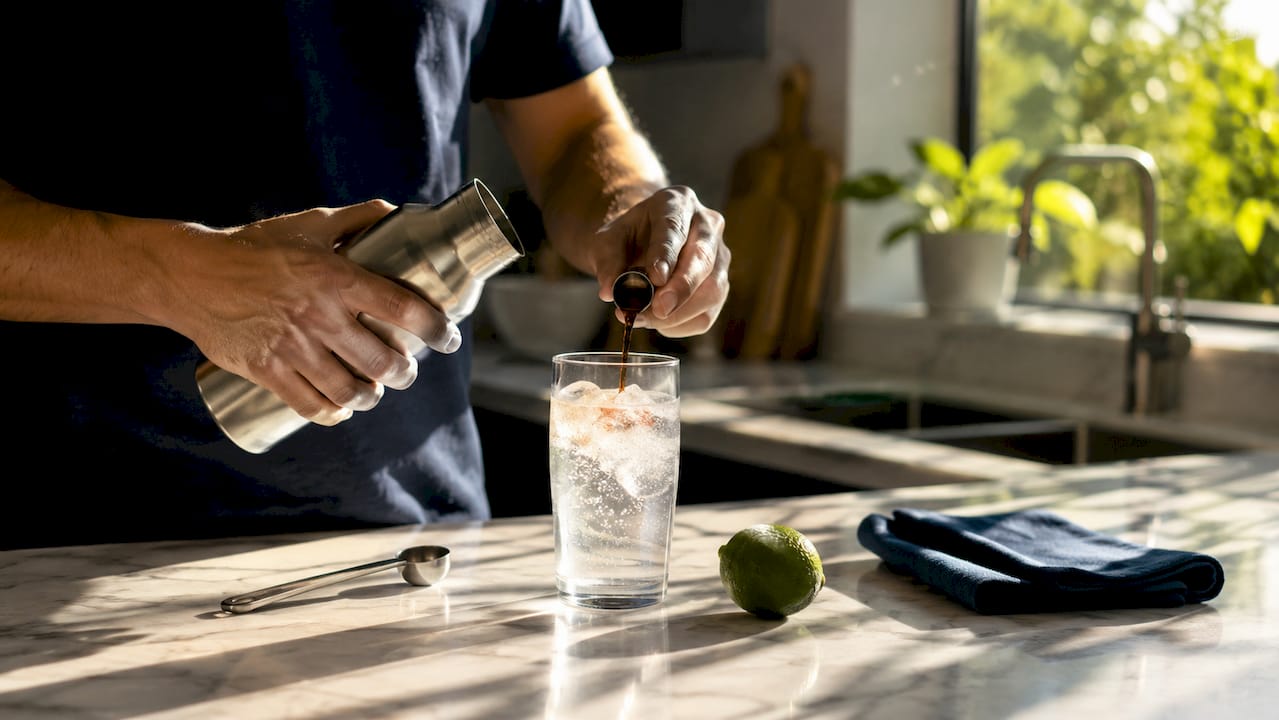
One practical note: cloudy or pulpy bases cause foaming and CO2 loss when carbonated directly. Carbonate plain water first, then fold in your flavor concentrate gently to preserve the bubbles.
Pros and cons of seltzer as a base:
- Zero minerals, zero sodium, zero calories
- Highest carbonation intensity of the four main types
- Flavor-neutral, so mix-ins read clearly
- No added complexity for drinks that benefit from mineral depth
- Widely available and easy to make at home with a soda maker
Pro Tip: Use a 1:3 ratio of flavored concentrate to seltzer for a low-sugar sparkling drink that stays under 6 to 8 grams of sugar per serving.
2. Club soda: mineral complexity for cocktails and mocktails
Club soda contains added minerals including sodium bicarbonate and potassium sulfate, which manufacturers introduce during production. Those minerals give club soda a subtle saltiness and a perceived crispness that plain seltzer cannot replicate. The difference is small but noticeable, especially in drinks where carbonation is the primary flavor component.
Bartenders reach for club soda when they want a base that adds a faint mineral backbone to a drink without introducing the bitterness of tonic or the terroir of mineral water. A gin and soda, a simple vodka highball, or a classic sparkling lemonade all benefit from that mineral lift. Club soda also works well with bitter citrus elements like grapefruit or yuzu, where the sodium bicarbonate amplifies brightness.
For home carbonation, club soda behaves similarly to seltzer in terms of foaming risk. Stick to clear, strained bases and add your syrups after carbonation to get the cleanest result.
When club soda outperforms seltzer:
- Drinks where a faint savory note improves balance, such as a Bloody Mary riff
- Cocktails built with bitter liqueurs or citrus-forward spirits
- Recipes where you want perceived crispness without adding citric acid
Pro Tip: If you are building a mocktail with bitter or herbal syrups, swap seltzer for club soda. The sodium bicarbonate rounds out sharp edges and makes the drink taste more finished.
3. Sparkling mineral water: natural origin and distinct flavor
Sparkling mineral water comes from underground springs and must contain at least 250 parts per million of dissolved solids to meet regulatory standards. Unlike club soda, where minerals are added artificially, mineral water derives its character from the geology of its source. That distinction matters both for flavor and for the health-conscious consumer who wants naturally occurring calcium and magnesium rather than manufactured additives.
The mineral profile varies significantly by brand and source. Perrier carries a high carbonation level with a sharp, almost aggressive fizz. San Pellegrino offers softer bubbles and a rounder mineral taste from its calcium and magnesium content. Gerolsteiner, sourced from a volcanic region in Germany, has one of the highest mineral concentrations of any widely sold brand, with a distinctly earthy finish. These flavor differences make sparkling mineral water the most opinionated of all the bubbly drink types.
Mineral water typically carries lower carbonation than seltzer or club soda, which means it works better as a standalone drink or a light mixer than as the backbone of a heavily built cocktail. The benefits of sparkling mineral water extend beyond taste, with naturally occurring electrolytes making it a popular choice for hydration.
| Brand | Mineral character | Carbonation level | Best use |
|---|---|---|---|
| Perrier | Crisp, slightly sulfuric | High | Cocktails, aperitifs |
| San Pellegrino | Soft, slightly sweet | Medium | Sipping, light mixing |
| Gerolsteiner | Earthy, mineral-rich | Medium | Drinking straight |
| Topo Chico | Clean, slightly salty | High | Highballs, margaritas |
4. Tonic water: bitterness, sugar, and why it stands alone
Tonic water contains quinine and added sugar, giving it a soft drink profile that no other sparkling base shares. Quinine, originally derived from cinchona bark, delivers a dry, lingering bitterness that balances the sweetness and creates the characteristic tonic flavor. That combination is why a gin and tonic tastes like nothing else: the spirit, the quinine, and the sugar interact in a way that seltzer or club soda simply cannot replicate.
The sugar content in standard tonic water typically ranges from 20 to 32 grams per 12-ounce serving, which places it firmly in soft drink territory. For anyone building low-sugar homemade beverages, that number matters. Diet tonic waters use artificial sweeteners to reduce calories, but the quinine bitterness remains. Some craft producers now offer low-sugar tonic syrups, which you dilute with seltzer, giving you control over sweetness while keeping the bitter complexity.
Tonic water cannot be swapped 1:1 with seltzer or club soda in cocktails. The flavor profile is too distinct. If you want to replicate tonic’s bitterness in a DIY low-sugar drink, try adding a few drops of gentian bitters or a small amount of citrus peel syrup to plain seltzer.
Key facts about tonic water for home use:
- Contains quinine, which adds bitterness not present in any other sparkling base
- Sugar content makes it unsuitable for low-sugar recipes without modification
- Pairs classically with gin, vodka, and bitter aperitifs like Campari
- Low-sugar tonic syrups mixed with seltzer offer a DIY alternative
- Not interchangeable with other carbonated bases in most recipes
Pro Tip: To get tonic-style bitterness without the sugar, add two dashes of gentian root bitters and a squeeze of lime to plain seltzer. You get the bitter brightness of tonic at a fraction of the calories. Pair this with Latin-inspired cocktail ideas for a creative brunch spread.
5. How to choose the right sparkling base for your drink
The right carbonated beverage base depends on three variables: the flavor profile you want, the carbonation intensity you need, and your sugar or mineral preferences. Getting this decision right before you mix saves you from flat drinks, overpowered flavors, and wasted ingredients.
Carbonation volume shapes the entire character of a drink. A Fizz cocktail uses 1 to 2 ounces of carbonated water as a light garnish, keeping bubbles tight and concentrated. A Collins uses 4 to 6 ounces, creating a long, refreshing, more diluted drink where the sparkling base is a primary ingredient. That difference means your base choice matters more in a Collins than in a Fizz, where the spirit and citrus dominate.
For low-sugar DIY drinks, the 1:3 concentrate-to-carbonated-water ratio keeps sweetness in check while delivering satisfying fizz. Use seltzer as your base, prepare a lightly sweetened fruit or herb concentrate, chill both before mixing, and combine gently to minimize CO2 loss. You can find sparkling water cocktail recipes that apply this method across dozens of flavor combinations.
| Base type | Mineral content | Carbonation level | Sweetness | Best for |
|---|---|---|---|---|
| Seltzer | None | High | None | Fruit sodas, mocktails, low-sugar drinks |
| Club soda | Added (sodium, potassium) | High | None | Cocktails, highballs, citrus drinks |
| Sparkling mineral water | Natural | Medium | None | Sipping, light mixing, aperitifs |
| Tonic water | Added (quinine) | Medium | High | Gin and tonic, bitter cocktails |
Pro Tip: Always chill your sparkling base before mixing. Cold water holds CO2 more effectively than room-temperature water, so your drink stays fizzy longer after you pour.
Key takeaways
The best sparkling drink base for homemade beverages is seltzer for neutral, low-sugar recipes, club soda for mineral complexity, sparkling mineral water for natural character, and tonic water exclusively when quinine bitterness is the goal.
| Point | Details |
|---|---|
| Seltzer is the most versatile base | Its zero-mineral, high-carbonation profile suits any flavor-forward homemade drink. |
| Club soda adds mineral depth | Sodium bicarbonate and potassium sulfate create crispness that improves bitter and citrus drinks. |
| Mineral water has natural terroir | Brands like Perrier, San Pellegrino, and Gerolsteiner each bring distinct mineral flavors to a drink. |
| Tonic water is not interchangeable | Quinine and sugar make tonic a category of its own; substituting it changes the drink entirely. |
| Carbonation volume defines drink style | A Fizz needs 1 to 2 ounces of sparkling base; a Collins needs 4 to 6 ounces for proper balance. |
Why your base choice matters more than you think
I spent years defaulting to whatever sparkling water was in the fridge, treating all fizzy bases as identical. That changed the first time I made a hibiscus Collins with sparkling mineral water instead of seltzer. The mineral character of the water competed with the floral notes of the hibiscus, and the drink tasted muddy rather than bright. Switching to plain seltzer fixed it immediately.
The lesson I keep coming back to is this: the base is not neutral. Even seltzer, which has no minerals, has a carbonation intensity that shapes how a drink feels on the palate. Club soda’s sodium bicarbonate genuinely does make citrus-forward drinks taste crisper. Mineral water from Topo Chico behaves differently in a margarita than San Pellegrino does, and experienced drinkers notice.
For anyone focused on low-sugar homemade drinks, the tonic water question comes up constantly. My honest recommendation is to skip standard tonic entirely and build your own bitter base with gentian bitters and seltzer. You get the complexity without 25 grams of sugar per glass. The carbonation challenge is real too. Cloudy, pulpy mixes foam aggressively when carbonated, so strain everything before you carbonate and add flavor after. That single habit improves homemade sparkling drinks more than any ingredient swap.
— Henry
Make every base count with Getfizzit
Once you know which sparkling base your recipe calls for, the next step is consistent, high-quality carbonation at home.
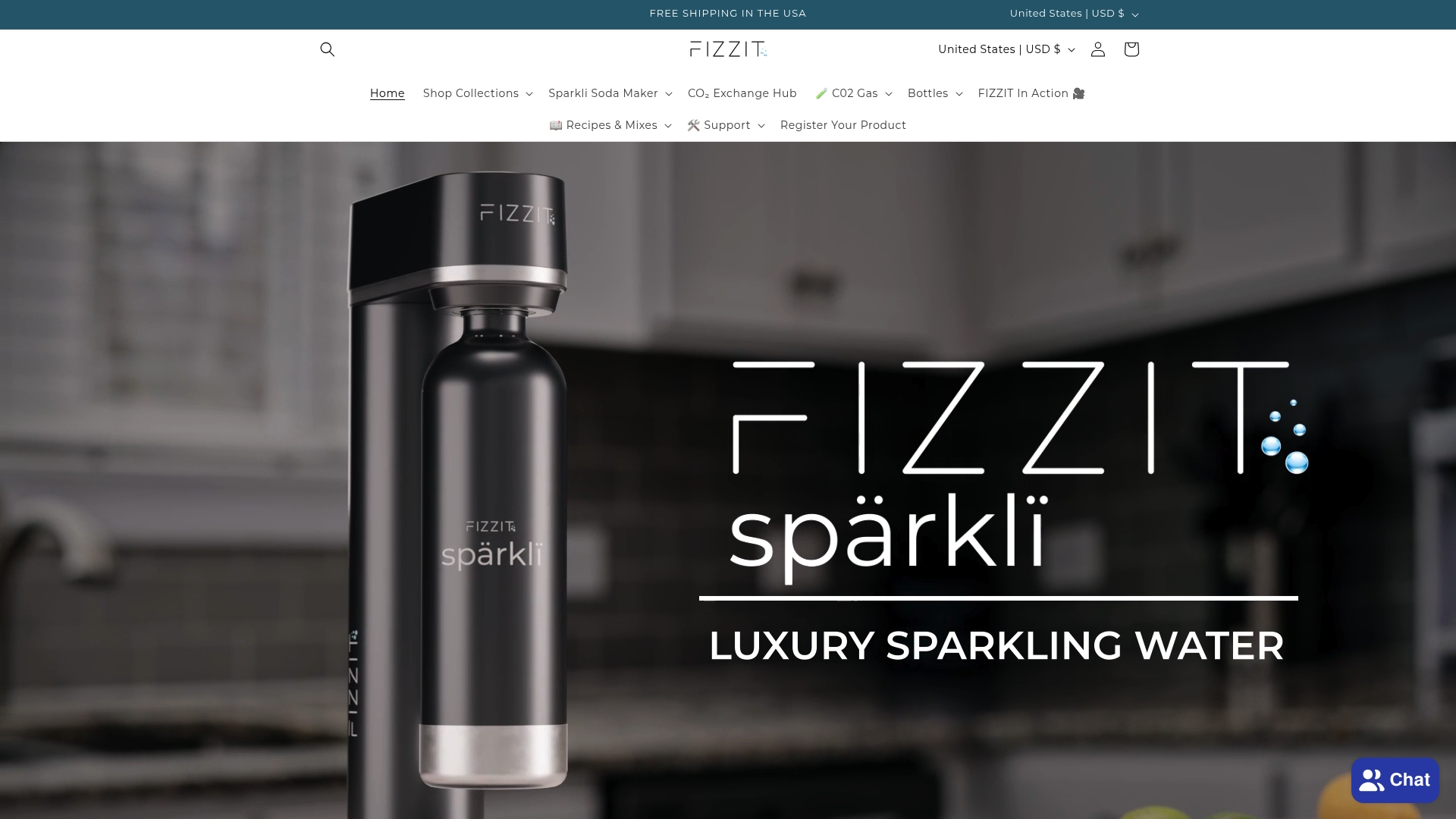
Getfizzit’s Spärklï soda maker gives you precise control over carbonation intensity, so you can dial in the fizz level that each drink style demands. The stainless steel carbonation bottles keep your base cold and pressurized longer than plastic alternatives, which means better CO2 retention and a cleaner pour. Whether you are making a light seltzer-based mocktail or a mineral-forward sparkling water for sipping, Getfizzit’s system delivers consistent results without single-use plastic waste. Explore the full range at getfizzit.com.
FAQ
What are the main types of sparkling drink bases?
The four main types are seltzer, club soda, sparkling mineral water, and tonic water. Each differs in mineral content, carbonation level, and added ingredients like quinine or sugar.
Can I substitute club soda for seltzer in a recipe?
Yes, seltzer and club soda are generally interchangeable in most cocktails and mocktails if carbonation levels are comparable. The mineral content in club soda adds a faint saltiness, which improves some drinks and is undetectable in others.
Why can’t I swap tonic water for seltzer?
Tonic water contains quinine and added sugar, giving it a bitterness and sweetness that seltzer lacks entirely. Substituting tonic 1:1 changes the flavor profile of the drink in a way that most recipes cannot absorb.
What is the best sparkling base for low-sugar homemade drinks?
Seltzer is the best choice for low-sugar recipes because it contains zero minerals, zero calories, and no added sweeteners. Mixing a lightly sweetened concentrate with seltzer at a 1:3 ratio keeps total sugar under 6 to 8 grams per serving.
Does carbonation level differ between sparkling water types?
Seltzer and club soda typically carry higher carbonation than sparkling mineral water or tonic water. For drinks where fizz intensity matters, such as a Collins or a sparkling lemonade, seltzer or club soda delivers a more aggressive bubble than most mineral water brands.